
Celebrate National Native American Heritage Month
Also known as National American Indian Month, this national observation is a time to honor the history and culture of indigenous communities. It is also a month to reflect on the legacies of colonialism and displacement, while amplifying indigenous voices and resilience. Observing Native American Heritage Month encourages us to seek out indigenous perspectives, engage with their stories, and support Native-led efforts to work for justice, equality of opportunities, and preservation of culture and heritage. This month at the library, we are spotlighting the history and stories of American Indian and all Indigenous American peoples.
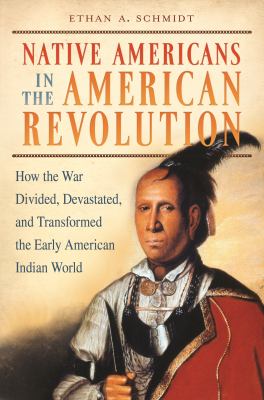
Native Americans in the American Revolution by Ethan A. Schmidt
There has not been an all-encompassing narrative of the Native American experience during the American Revolutionary War period—until now. Native Americans in the American Revolution: How the War Divided, Devastated, and Transformed the Early American Indian World fills that gap in the literature, provides full coverage of the Revolution's effects on Native Americans, and details how Native Americans were critical to the Revolution's outbreak, its progress, and its conclusion. [Bloomsbury]

An indigenous Peoples' History of the United States for Young People by Roxanne Dunbar-Ortiz
Going beyond the story of America as a country “discovered” by a few brave men in the “New World,” Indigenous human rights advocate Roxanne Dunbar-Ortiz reveals the roles that settler colonialism and policies of American Indian genocide played in forming our national identity. [Penguin Random House]
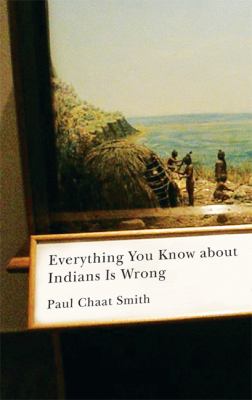
Everything you Know About Indians is Wrong by Paul Chaat Smith
Raised in suburban Maryland and Oklahoma, Smith dove head first into the political radicalism of the 1970s, working with the American Indian Movement until it dissolved into dysfunction and infighting. Afterward he lived in New York, the city of choice for political exiles, and eventually arrived in Washington, D.C., at the newly minted National Museum of the American Indian (“a bad idea whose time has come”) as a curator. In his journey from fighting activist to federal employee, Smith tells us he has discovered at least two things: there is no one true representation of the American Indian experience, and even the best of intentions sometimes ends in catastrophe. [University of Minnesota Press]
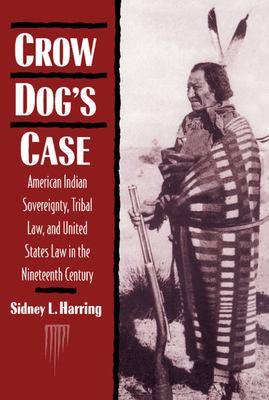
Crow Dog's Case by Sidney L. Harring
Crow's Dog Case is the first social history of American Indians' role in the making of American law. This book sheds new light on Native American struggles for sovereignty and justice in nineteenth-century America. The 'century of dishonor', a time when American Indians' lands were lost and their tribes reduced to reservations, provoked a wide variety of tribal responses. Some of the more succesful [sic] responses were in the area of law, forcing the newly independent American legal order to create a unique place for Indian tribes in American law. Although the United States has a system of law structuring a unique position for American Indians, they have been left out of American legal history. Crow Dog, Crazy Snake, Sitting Bull, Bill Whaley, Tla-coo-yeo-oe, Isparhecher, Lone Wolf, and others had their own jurisprudence, kept alive by their own legal traditions. [Cambridge University Press]
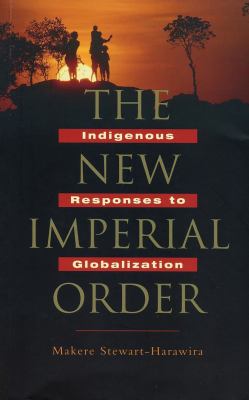
The New Imperial Order by Makere Stewart-Harawira
This important book discusses the political economy of world order and the basic ideological and ontological grounds upon which the emergent global order is based. Starting from a Maori perspective it examines the development of international law and the world order of nation states. In engaging with these issues across macro and micro levels, the international arena, the national state and forms of regionalism are identified as sites for the reshaping of the global politico/economic order and the emergence of Empire. Overarching these problematics is the emergence of a new form of global domination in which the connecting roles of militarism and the economy, and the increase in technologies of surveillance and control have acquired overt significance.