
How Israel’s Military Reservists Have Fought for its Democracy
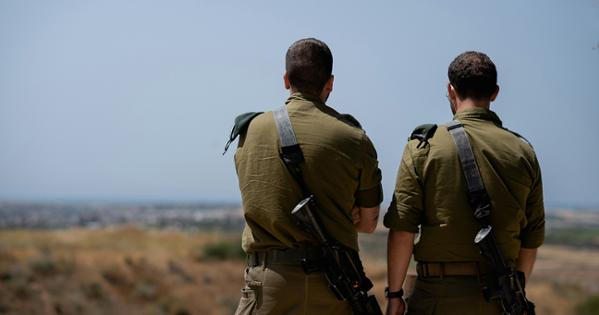
When Israeli Prime Minister Benjamin Netanyahu pursued an overhaul of the judiciary in the months before October 7, 2023, hundreds of thousands of Israelis took to the streets to protest. While mostly civilian, hundreds of military reservists joined the demonstrations and took other actions to show their opposition against elected officials’ illiberal moves.
SIS professor Guy Ziv’s new research article explores what motivated the reservists—which include reserve fighter pilots, drone operators, and intelligence officers, among other elite units—to resist, and what their impact has been.
To learn more, we asked Ziv a few questions about why the reservists have become so important to the fight for Israeli democracy, what pushback they have received for their resistance, and what their role in domestic politics might look like in the future.
- You write in the piece that the community of IDF reservists who had become active in the fight against the judicial overhaul “emerged collectively as a gatekeeper of Israeli democracy.” Why have the reservists become so important in this resistance to illiberal actions in Israel?
- Israeli Air Force pilots, navigators, drone operators, intelligence officers, and elite commando units became central to the resistance because they represent the most critical capabilities in Israel’s defense arsenal. These reservists from elite units, who are expected to carry out the most daring missions, made it clear that they would refuse to serve under an authoritarian regime. Groups like Achim Laneshek (“Brothers and Sisters in Arms”) emerged as key civil society actors, leveraging their indispensable military roles to pressure the government. Their threat to refuse to show up for volunteer reserve duty made them uniquely powerful defenders of the country’s democratic norms.
- In what ways did the reservists’ involvement in the resistance reflect the ideals and values of the IDF, and in what ways did their actions serve as a critique of IDF actions or leadership?
- From its founding, democracy has been a core IDF value. Unlike militaries elsewhere, the IDF was designed as an agent of socialization and education, helping integrate diverse Jewish immigrants while preserving democratic ideals championed by founding father David Ben-Gurion, who served as Israel’s first prime minister and defense minister. The reservists’ protests embodied this democratic tradition while respecting civilian oversight. They targeted the civilian leadership, not the military command obligated to follow the directives of the elected government.
- Had military reservists played a role in domestic politics in the past? How, if at all, was this time different?
- Israeli reservists have a long tradition of extending their service through social movements, particularly after national crises like the 1973 Yom Kippur War, the 1982 Lebanon War and the Intifadas. What made 2023 different was the scale and the direct threat to operational readiness. The reservist community emerged as a key gatekeeper of Israeli democracy, using their unique position as essential military personnel to check the government’s illiberal moves in an unprecedented way.
- Have the reservists faced any pushback or critiques for their involvement?
- The pushback for the reservists’ activities came primarily from Prime Minister Netanyahu and his political allies who criticized them of shirking their duties and harming Israel’s security. The criticism was so intense that the IDF chief asked the government critics to refrain from disparaging the pilots. Senior military and intelligence officials warned the government that the contentious judicial overhaul was eroding both troop morale and Israel’s operational readiness and that Israel’s enemies were eager to exploit these internal developments. Netanyahu and his cabinet ignored their warnings.
- What role might the reservists play in the future as Israel emerges from the post-October 7 wars?
- Post-October 7 civil-military tensions have intensified as Netanyahu pinned the entire blame for the security failure on military and intelligence officials while avoiding any responsibility himself. His conduct of the Gaza War and lack of a post-war strategy, as well as his attempts to politicize the security establishment by replacing critics with loyalists, have deepened these tensions. Initially, reservist turnout exceeded 100 percent after the Hamas attacks, but war fatigue and loss of confidence in strategy have dropped attendance to 50-60 percent. The reservists remain vocal critics and will likely continue as active participants in Israeli civil society once the war ends, potentially serving as ongoing checks on government overreach.