
Art and Culture: Sherko Abbas
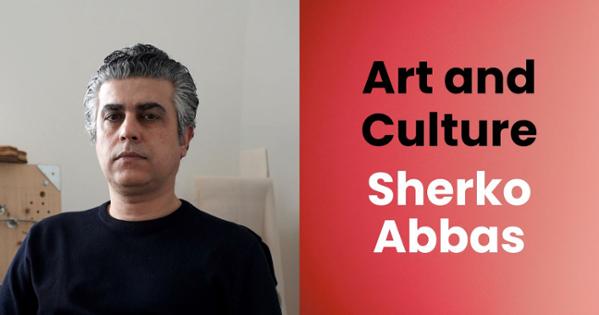
Sherko Abbas is a Kurdish artist obsessed with the past. Born as a refugee in 1978 in Iran, he explores themes of memory, identity, and cultural resilience in his work. He studied Fine Art in Sulaymaniyah and later, transitioned to contemporary art, experimenting with various materials like video, sound, and found objects.
His interest in modern memory and archival materials, particularly his father's footage documenting the Kurdish struggle, influences his art. Sherko sees memory as a tool to challenge dominant narratives and amplify marginalized voices. He studied at Goldsmiths, University of London, in 2015, and now splits his time between London and Kurdistan.
In a conversation with the Global Kurdish Initiative for Peace, Sherko shared the impact of memory and his Kurdish identity on his work. He discusses the challenges faced by Kurdish artists, including limited resources, restricted international opportunities, and political realities.
- Can you begin by telling me about yourself?
- I consider myself an ultra-contemporary artist. I am Kurdish and was born in Iran 1978, where my family lived as refugees after the defeat of the Kurdish movement 1975. We returned to Iraq when I was two years old. I grew up in Sulaymaniyah, the cultural heart of Iraqi Kurdistan.
- I trained as a painter at the Fine Arts Institute and later pursued my BA in Fine Arts at Sulaymaniyah University. During my university years, I became increasingly interested in contemporary art and wanted to work with objects and different materials beyond traditional painting.
- After graduation, I had more freedom to explore my artistic practice, experimenting with various styles and materials. I was particularly excited about installation art and had the opportunity to exhibit some of my work. Around that time, the Kurdistan Regional Government launched a program to support students in pursuing further education abroad. I was fortunate to be selected, which allowed me to study in London.
- Moving to London was challenging, especially because I didn’t speak English at all. However, I was determined to learn, and eventually, I was accepted into Goldsmiths, University of London, where I completed my Master’s in Fine Art in 2015. Since then, I have been living and working between London and Kurdistan.
- Could you describe your transition from painting to experimenting with different materials and styles?
- I always say that we were lucky to be part of a generation in Kurdistan that experienced both the old way of living and the new digital era with the internet.
- In the early 2000s, we started using the internet to access information about art. Before that, our only resources were art catalogs donated to the university by individuals—most of them were outdated. At the same time, we couldn’t read English, which made it even harder to engage with contemporary art. But with the internet, we were able to connect with the global art world, see what was happening, and even use online translation tools to understand articles.
- Additionally, many art workshops and seminars took place in Sulaymaniyah, which helped me better understand my role as an artist and encouraged me to experiment with new ideas and materials. I started working with unfamiliar mediums—at least, ones that weren’t common in our local art scene—such as video, sound, and found objects. Eventually, we were able to showcase our work outside of our country.
- My fellow artist friends and I made a conscious decision to take risks—I call it a "mistake" because we deliberately stepped into unfamiliar territory. We wanted to learn about new art forms and find a way to be part of the evolving contemporary art movement.
- With visual memory being a major interest of yours, could you describe how memory inspires you?
- I am deeply interested in anything that gives me access to the past—whether it’s history, memory, archives, storytelling, or collecting. I am obsessed with the past because it is the only place that holds the key to our identity.
- Memory plays a crucial role in my work, particularly what is known as modern memory. This term, introduced by art historian Pierre Nora, highlights the difference between traditional and modern memory. Traditional memory is internal, passed down through individuals, while modern memory relies on recorded materials. I explore memory in the way Walter Benjamin describes it—as a tool to challenge dominant narratives shaped by those in power. From this perspective, I am interested in using memory to tell alternative stories, amplifying voices that have been silenced or overlooked for various reasons.
- As part of my practice, I also focus on archival materials—particularly film footage shot by my father when he was a member of a political party opposing the Ba'ath regime during the 1980s. He recorded hours of footage documenting the Kurdish struggle, capturing scenes of conflict, everyday life in villages, music, celebrations, and political publications.
- This archive has been used primarily for glorifying power, meaning only certain parts of it were deemed important, while others were completely overlooked. My focus is on these forgotten fragments—I aim to bring them into a new context, making them accessible through my art and offering a different narrative of the past.
-
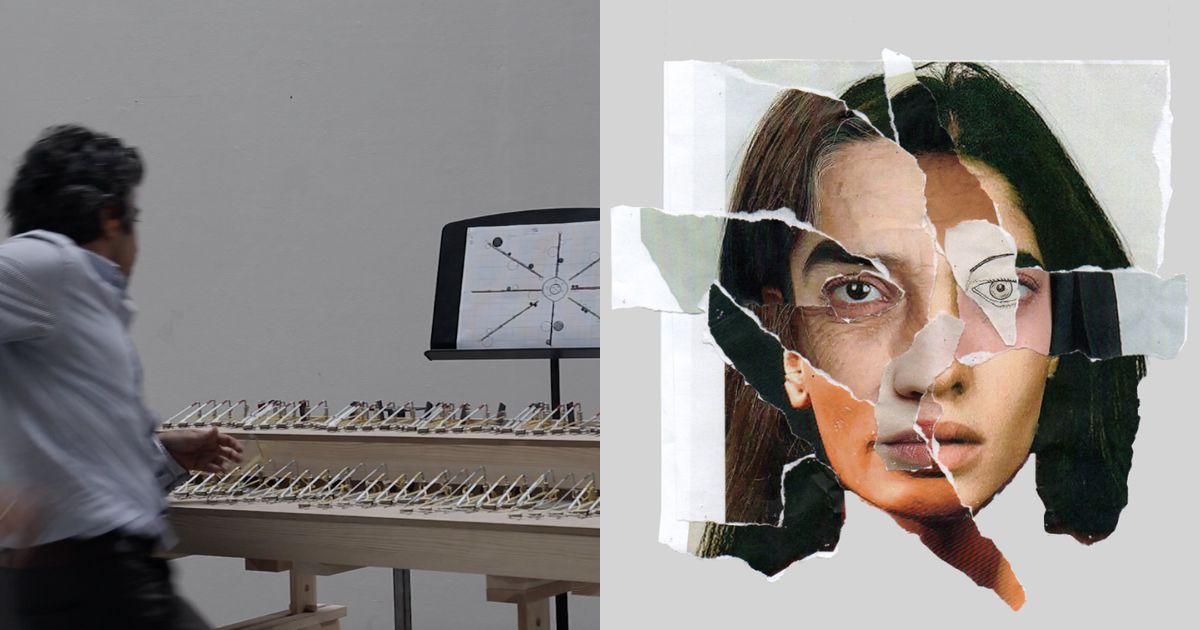
Left: The Wild Instrument. Right: Paper Puppet Testimony.
- How did you get into art and filmmaking?
- I’ve been interested in art since childhood, though I never seriously thought about becoming an artist. It was just something that was always with me—probably because of the influence of my family. I’ve mentioned in previous interviews that my family was deeply engaged in both art and politics, which inevitably shaped the generations that followed.
- Sometimes, I joke that this is the only thing we know, which is why we ended up here. I wasn’t very good at school, so I took a different path and pursued art. But as I mentioned before, being a painter was never fully satisfying for me. I always wanted to find my voice in different forms and mediums of art.
- I started making installations using objects, then moved into video art, and eventually found my way into experimenting with moving images. I never formally studied film, and I never wanted to, either—because sometimes, not knowing too much allows for a different kind of creative freedom.
- Spending your time between both London and Kurdistan, do you feel a difference in inspiration in either place?
- Absolutely. These two places play a crucial role in my practice. Kurdistan—and Iraq in general—is where my inspiration comes from. It is the source of my work and the subject I focus on as an artist. At the same time, London connects me to the art world, providing a platform to share what I create.
- Before I left my hometown, I often felt stuck and lacked the confidence to believe I could one day show my work internationally. Traveling was never easy, and obtaining a visa was a constant struggle. I remember my passport being stamped with multiple visa refusals when I tried to attend art residencies and exhibitions. This situation left me feeling deprived, unable to fully enjoy my life as an artist.
- Unfortunately, these travel restrictions still exist. Many of my fellow artist friends continue to struggle with visa issues, which prevents them from engaging more widely in the global art scene. Having limited access as an artist is harmful—it isolates us and makes it harder to grow.
- We need to be connected to galleries, museums, and professionals—such as curators, critics, and collectors—because without these connections, we are just makers. But I believe an artist should be understood as more than just a creator. This is what makes both London and Kurdistan essential to my practice—one provides the source, and the other offers the platform.
- How does the history of Iraq and Kurdistan influence you?
- In September 2017, we had a referendum, and the majority of Kurdish people voted for independence. As a result, the Kurdistan Regional Government (KRG) was punished by neighboring countries. I believe that having our own country is a fundamental right for the Kurdish people, and there is nothing wrong with that.
- At the same time, however, it’s important not to overlook that modern Iraq is also part of our history. Although the Kurds have suffered greatly throughout this history, we must also remember that Iraq has been a land where different religions and ethnicities have lived together for centuries. For nearly a hundred years, we have shared the same fate—our struggles and histories are deeply intertwined.
- What kind of reception have you received from sharing your work in Kurdistan compared to sharing it abroad?
- The reception of my work differs significantly between Kurdistan and abroad, largely due to differences in art discourse, audience engagement, and institutional support.
- In Kurdistan, contemporary and conceptual art is still developing, and as an artist, you have to do everything yourself—from securing a budget to creating a catalog and organizing exhibitions. While there are a few galleries and occasional events, they happen only once every six months or once a year, which isn’t enough to sustain an active art scene. I believe we need more opportunities, more consistent engagement, and stronger infrastructure to support artists.
- At the same time, my work in Kurdistan often feels more personal and urgent because it speaks directly to our shared histories and struggles. Even though contemporary art isn’t as widely understood, many people connect deeply with the themes of memory, identity, and cultural preservation.
- Abroad, especially in places like London, the art world is much more structured, with institutions, galleries, and critical discourse that offer support and visibility. There’s a wider audience for conceptual and experimental work, and I get to engage with curators, critics, and collectors, which helps push my practice further. However, while my work is often well received, I sometimes feel that the nuances of Kurdish and Iraqi history don’t always translate fully, requiring me to provide more context.
- It’s a very different experience in both places—different approaches to art, different levels of support, and different ways of understanding artistic practice. In Kurdistan, I feel a strong sense of responsibility, while abroad, I find the platform and engagement that help me evolve as an artist.
-
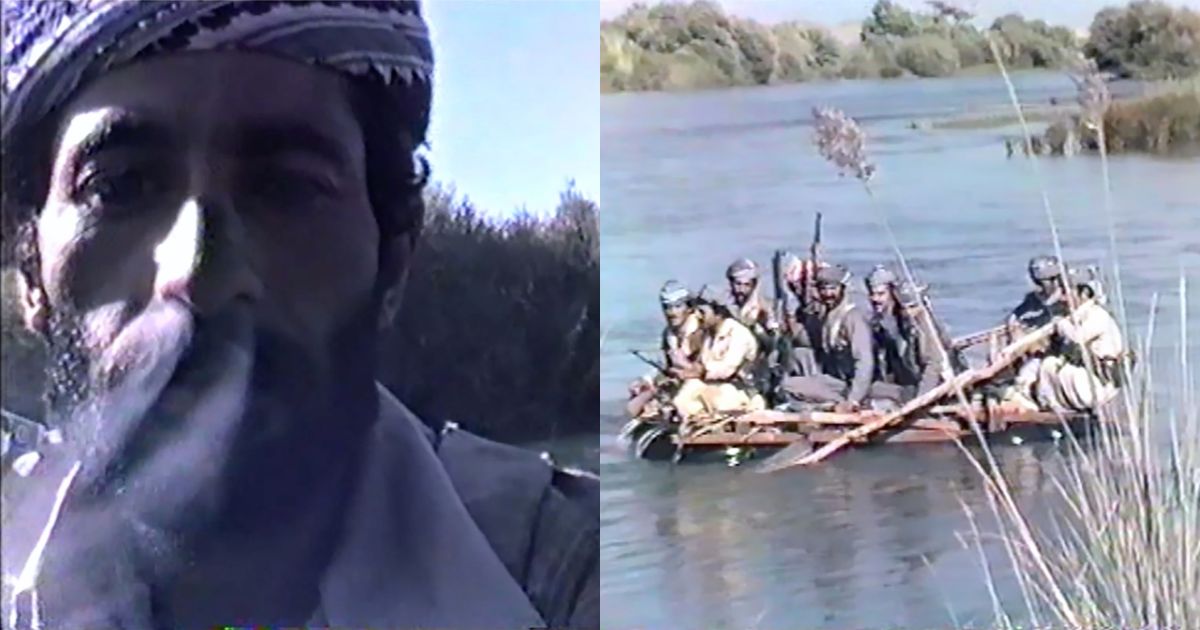
Two stills from his short film “Silence Along the River.”
- How would you explain how it feels to be a Kurdish artist?
- Being a Kurdish artist is both a privilege and a challenge. It means carrying a history that is rich, complex, and often painful, while also trying to shape its future through art. Kurdistan has a long history of resistance, struggle, and cultural resilience, and as an artist, I feel a deep responsibility to preserve, reinterpret, and share our stories.
- At the same time, being a Kurdish artist comes with limitations and obstacles—whether it's the lack of institutional support, restricted access to international opportunities, or the political realities that shape our lives. Unlike artists in places with strong art infrastructures, we often have to build everything ourselves—from funding our projects to creating our own platforms for visibility.
- In the end, being a Kurdish artist means existing in a state of in-between—between the past and the present, between home and exile, between personal expression and collective history. It’s not always easy, but it’s meaningful, and I wouldn’t want it any other way.
- What are the main messages or ideas that you hope people take away from your art?
- The main messages I hope people take away from my art revolve around resilience, and resistance against erasure. My work explores how individuals and communities preserve cultural identity, history, and collective memory in the face of destruction—whether through war, displacement, or political forces.
- Ultimately, I want audiences to engage with history, question dominant narratives, and see art as a living force that connects past, present, and future.
- What do you hope for the future of Kurdish artists and Kurdish art?
- I hope for Kurdish artists to have more visibility and engagement in the global art world. Right now, there is a growing space where Kurdish artists are speaking about the challenges and realities of being Kurdish, and I want to see this space expand. We need more platforms, exhibitions, and collaborations that allow our voices to be heard beyond our own borders.
- At the same time, I believe it’s essential for Kurdish artists to tell our own stories from our own perspectives. Kurdistan is part of a larger geographical and cultural landscape, and for a more complete picture of this region, the world must hear from all the people who live here. Our history, struggles, and resilience should not only be narrated by outsiders—we have to take charge of our own narratives.
- I also hope for greater support and infrastructure for Kurdish artists. Many of us work with limited resources and institutional backing, which makes it difficult to reach wider audiences. More access to funding, art spaces, and international opportunities would allow Kurdish artists to create and share work that is more experimental, ambitious, and impactful.
- In the future, I want Kurdish art to be recognized not just as an expression of struggle but also as a powerful contribution to contemporary art and culture—one that reflects the complexity, creativity, and depth of our experiences.
- What advice do you have for people who want to either support or engage with Kurdish artists or art?
- The best way to support and engage with Kurdish artists is to listen to our stories and engage with our work directly. Kurdish art is deeply connected to our history, struggles, and identity, and it offers perspectives that are often overlooked in mainstream narratives. Seeking out Kurdish artists, watching our films, attending our exhibitions, and reading about our work is a meaningful way to show support.
- Another important step is to create more platforms and opportunities for Kurdish artists to share their work on a global scale. Many Kurdish artists face barriers to travel, funding, and institutional recognition, which limits their ability to participate in the international art world. Curators, galleries, museums, and art institutions can play a key role in bridging this gap by including more Kurdish voices in exhibitions, festivals, and discussions.
- For those who want to engage more deeply, collaboration is key. Kurdish artists are eager to connect, exchange ideas, and be part of broader artistic dialogues. Whether through residencies, research projects, or cross-cultural collaborations, meaningful partnerships can help bring Kurdish art into new spaces and conversations.
- Lastly, I would encourage people to see Kurdish art beyond just politics and struggle. While these themes are central to our history, Kurdish artists are also creating work that is innovative, experimental, and diverse. Supporting Kurdish art means appreciating its depth, complexity, and contribution to contemporary culture, not just its connection to conflict.