
From SOC to Sundance: A Journey in Cinematography
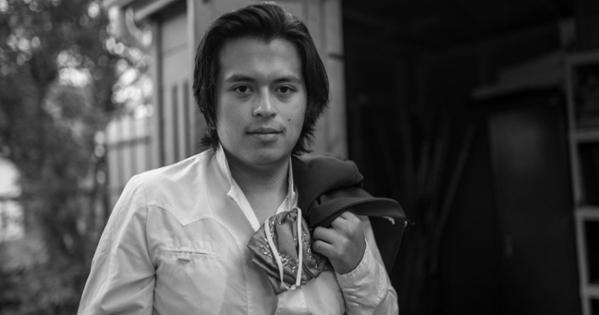
Fernando Rocha (SOC/BA ‘21) recently earned recognition at the Sundance Film Festival as Director of Photography for The Boys and the Bees, which won the 2026 Jury Award for Best Nonfiction Short. Through documentary and narrative filmmaking, Fernando approaches visual storytelling with a deep commitment to collaboration, authenticity, and emotional truth.
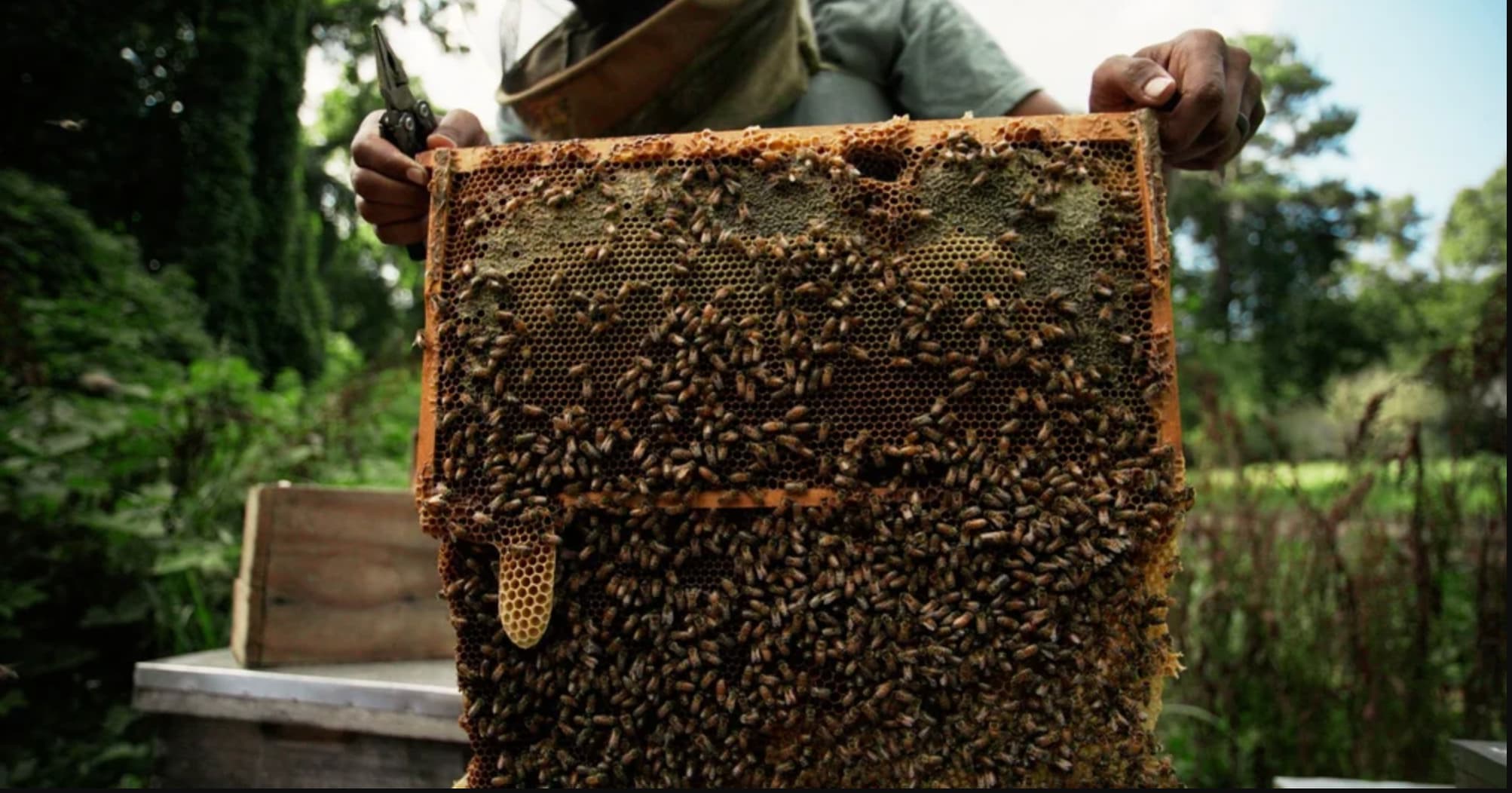
The Boys and the Bees follows a family raising bees and their two sons in rural Georgia, capturing their journey toward freedom and their deep connection to the land across changing seasons. Stills from the film included below are care of Fernando Rocha.
When director Arielle Knight first approached him about The Boys and the Bees, Fernando immediately understood that “this would be a very intimate and observational project,” he says. Because the film adopted a cinéma vérité style, Fernando focused on creating a visual approach that allowed the camera to remain unobtrusive while still capturing moments of wonder.
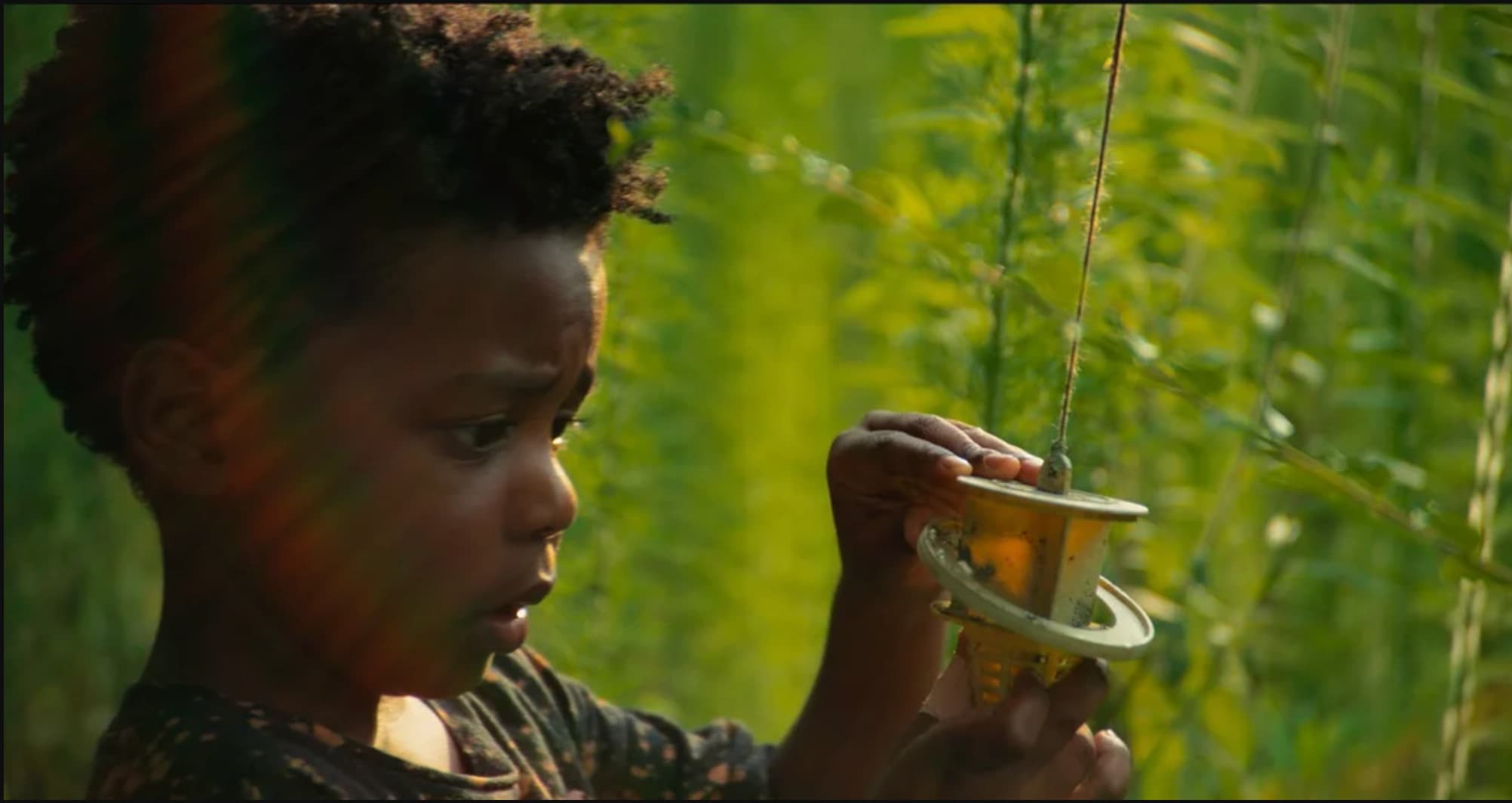
“For this film, Arielle and I created a set of ‘rules’ that we would follow as we spent time with the Ray family,” he explains. One of those rules centered on perspective. “If we (the audience) were experiencing a moment from the perspective of one of the kids, the camera would be at their height/eye level.” By relying heavily on natural lighting and subtle movement, the cinematography helped immerse viewers in the world of the Ray family and reflect the curiosity of childhood.
Although Fernando works across both documentary and narrative filmmaking, his philosophy remains the same. “First, my focus is on understanding the story and the director’s vision,” he says. “The priority is always the story, and as such every decision from the kind of lenses we use, the aspect ratio, movement, framing, color correction, etc… needs to be in service of said story and the director’s vision.” Alongside technical decisions, Fernando also draws on his own cultural influences and experiences, allowing the identity of each project to develop organically.
Fernando credits many of his early professional opportunities to relationships built during and after his time at AU. Even while he was a student, he made a point to connect with SOC faculty across the school. “SOC faculty have been deeply supportive of me, first as a student and now as an alumnus,” he says. “They encouraged me to pursue opportunities like the AU Summer Artists and Scholars Grant and worked closely with me on my Fulbright application.” Maintaining those relationships eventually led to creative collaborations, including projects with faculty member Professor Maggie Stogner.
His time at AU also shaped how he thinks about filmmaking. One particularly formative experience was participating in the FAMU program in Prague, where exposure to Czech storytelling traditions expanded his understanding of cinema. “Sitting in the edit room and shaping the language of the film made me realize that what I was most passionate about was visual storytelling at its core,” he recalls. Another pivotal experience came during an independent study with two-time Academy Award winner Professor Emeritus Russell Williams, who encouraged him to think more critically about image, realism, and perspective.
Fernando has also participated in several documentary fellowships that broadened his creative network and professional confidence. “Fellowships place you in conversation with filmmakers whose styles, cultures, and approaches are completely different from your own,” he says. Through the PBS Ignite Program, he directed, produced, and photographed a documentary episode about Trova music in Puerto Rico. “Before those fellowships, I do not think I would have believed I was ready to carry something like that.”
Looking ahead, Fernando continues to pursue projects that cross cultural boundaries. He is currently in pre-production on multiple projects, including a documentary filming in Algeria in the Sahara and a fiction short in Maryland. “I am most excited by projects that are cross-cultural,” he says. “They allow you to step into a different world while remaining deeply anchored in the perspective of a specific director and the lived experience of specific characters.”
For current SOC students interested in cinematography, Fernando encourages creative boldness. “SOC is one of the best environments to take risks and push yourself creatively,” he says. “Ask yourself what perspective only you can bring.”