
A political science degree opens doors to an impressive range of careers — from public policy and law to consulting, business, and international affairs. It’s a program built for those who want to understand how governments function, how decisions are made, and how change happens.
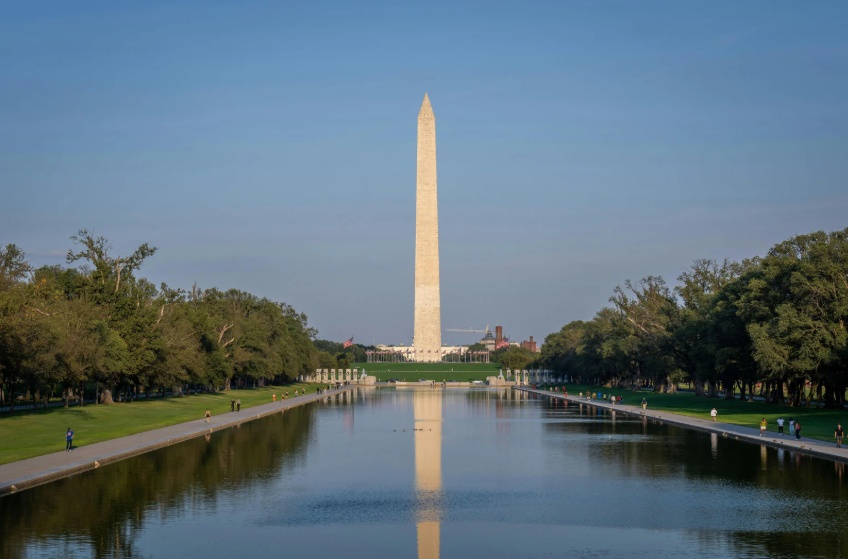
In the Department of Government at American University’s School of Public Affairs, you’ll study political systems within the beating heart of Washington, D.C. — surrounded by real-world politics, policy, and public service. Whether you’re considering a B.A. in Political Science, advancing your expertise with an M.A. in Political Science, or scholarly training through the Ph.D. program, expect a diverse and impactful career.
What Is Political Science?
Political science is the study of power, governance, and decision-making — how laws are created, policies are implemented, and societies are led. The field combines theory, data, and real-world analysis to explain how institutions and individuals shape political outcomes.
At AU, political science students gain a strong foundation in political systems while applying these lessons in the nation’s capital. Courses explore topics like government, public policy, research methods, and political behavior — building skills that prepare graduates for professional success in any field.
The Fields of Political Science
Most political science programs explore four major subfields (political theory, comparative politics, international relations, and American government and policy). AU offers six, delivering students a global perspective and a toolkit for leadership, advocacy, and analysis:
- Political Theory – The study of ideas about justice, democracy, freedom, and power.
- Comparative Politics – How governments and political institutions differ across countries.
- International Relations – Diplomacy, conflict, global governance, and foreign policy.
- American Government and Public Policy – U.S. institutions, political behavior, and the policymaking process.
- Gender, Race & Politics – How race and ethnicity shape, frame, influence, and guide decisions made within politics and criminal justice.
- Law & Politics – An interdisciplinary look at the interplay between government and the law.
Skills You’ll Gain with a Political Science Degree
Build versatile skills that employers value across industries. Graduates of AU’s programs develop:
- Analytical thinking: Assess complex social and policy problems from multiple angles.
- Research and data literacy: Collect, interpret, and communicate evidence to support recommendations.
- Communication skills: Write persuasively and present ideas to diverse audiences.
- Ethical and civic awareness: Understand how laws, rights, and governance affect communities.
- Leadership and collaboration: Work effectively across organizations and sectors.
These skills make political science majors valuable in public service, business, nonprofits, advocacy, and media.
What Can You Do with a Degree in Political Science?
With its broad foundation and adaptable skill set, political science is one of the most flexible degrees in the liberal arts. Graduates go on to careers in government, law, business, international affairs, education, and communications.
Below are some of the most common and rewarding career paths for political science majors, by field:
Government and Public Policy
- Policy Analyst: Research and evaluate policy proposals for government agencies or think tanks.
- Legislative Assistant: Support elected officials by drafting legislation and coordinating constituent outreach.
- Public Administrator or Program Manager: Oversee budgets and manage public programs.
- Urban or Regional Planner: Help design sustainable, equitable communities.
Law and Legal Services
- Attorney: Use a political science degree as a stepping stone to law school, specializing in public interest, corporate, or government law.
- Paralegal or Legal Analyst: Assist with case preparation, research, and regulatory compliance.
- Compliance Officer: Ensure organizations meet ethical and legal standards.
International Affairs and Diplomacy
- Foreign Service Officer or Diplomat: Represent the United States abroad.
- International NGO Professional: Pursue humanitarian, human rights, or development initiatives.
- Intelligence Analyst: Evaluate information relevant to national and global security.
Nonprofit and Advocacy Work
- Policy Advocate or Lobbyist: Advance causes and shape legislation.
- Program Coordinator: Manage community programs or outreach efforts.
- Research Associate: Produce reports and recommendations for public policy organizations.
Business, Consulting, and Corporate Affairs
- Public Relations or Communications Specialist: Shape messaging for companies, agencies, or campaigns.
- Management or Policy Consultant: Help organizations solve complex business and policy challenges.
- Market Research Analyst: Apply data and analytical skills to understand audiences and trends.
Media, Journalism, and Political Communications
- Political Reporter or Editor: Cover elections, policy debates, and governance.
- Speechwriter: Craft messaging for leaders and executives.
- Digital Strategist: Build online campaigns and public engagement strategies.
Education and Research
- Teacher or Professor: Educate future generations about government and civic life.
- Think Tank Researcher: Conduct studies and develop insights on political and social issues.
Tip: Many American University students supplement coursework with internships on Capitol Hill, in federal agencies, or with advocacy organizations — gaining experience that leads directly to full-time employment after graduation.
Do I Need a Graduate Degree for a Career in Political Science?
A bachelor’s degree in political science prepares you for a wide range of entry-level careers, but graduate education can help you advance more quickly and open new pathways to your dream career.
According to the U.S. Bureau of Labor Statistics, most workers need a master’s degree to start a career in political science (U.S. Bureau of Labor Statistics, Occupational Outlook Handbook).
- M.A. in Political Science - A master's degree in political science at American University deepens your expertise in research, data analysis, and policy application — equipping you for leadership and analytical roles in government, NGOs, or academia.
- Ph.D. in Political Science - A Ph.D. in political science at American University is ideal for students pursuing careers in teaching, advanced research, or public policy scholarship.
Many AU alumni combine graduate study with professional experience in Washington, D.C., leveraging both academic rigor and professional networks.
Ready to Take the Next Step? Launch Your Career in Political Science at American University
At the American University’s School of Public Affairs Department of Government, programs combine small classes, expert faculty, and unmatched access to D.C. internships. Students regularly intern at congressional offices, embassies, think tanks, and nonprofits — turning classroom learning into real-world experience. Learn more about our M.A. in Political Science and start your application today.
FAQs
What is political science?
Political science is the systematic study of government, politics, and policy — how societies organize power and make collective decisions.
What can I do with a master’s in political science?
A master’s degree opens doors to senior policy analysis, data-driven research, teaching, consulting, and leadership roles in government, NGOs, and international organizations, in Washington, D.C. and beyond.
Do I need a graduate degree to get a job in political science?
Not necessarily. However, according to the U.S. Bureau of Labor Statistics, the typical level of education that most workers need to start a career in political science is a master’s degree. Pursuing an advanced degree, such as AU’s M.A. in Political Science, can greatly increase your odds of getting a job in political science.