BA Studio Art
Studio Art program at a glance:
- Flexible options include drawing, painting, sculpture, video art, photography, printmaking, expanded media.
- 39-credit major designed for dual degrees or minors.
- 9 scholarships and awards available to majors.
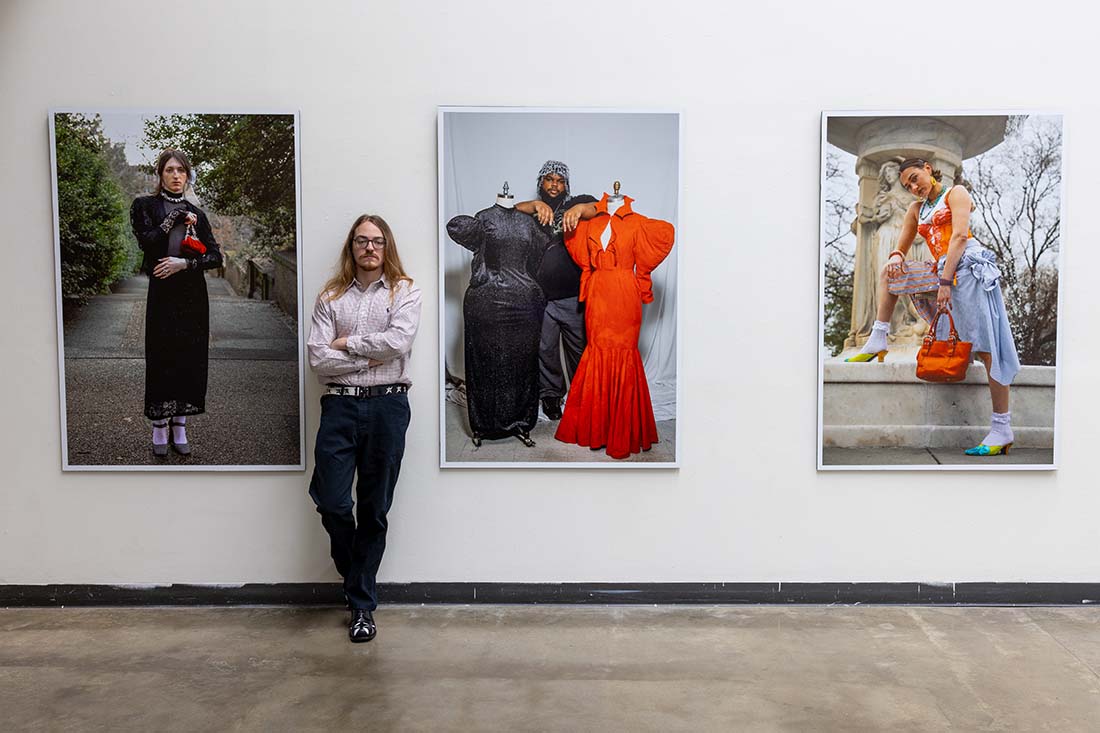
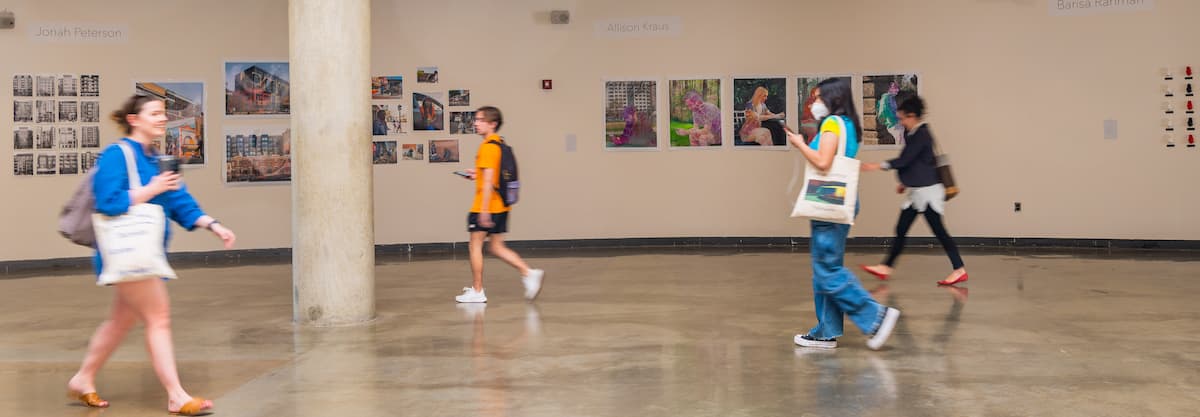
- Students show their work in annual exhibitions and pop-ups.
- Facilities in Katzen, McKinley, and the Design and Build Lab.
- Send us your application portfolios with SlideRoom.
Program Overview
| Jump to course descriptions and requirements below |
The Undergraduate Studio Art BA provides students with the tools to ambitiously engage historical and contemporary criteria for making art. Come work with our professional, dedicated, and innovative faculty in a city where you will have access to internationally renowned museums and galleries.
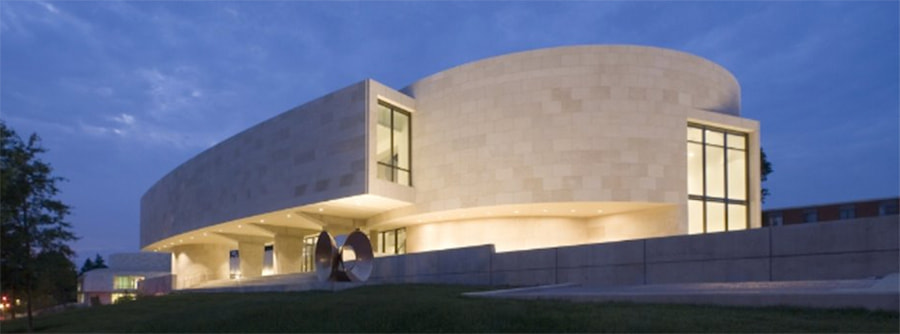 AU Museum with the Katzen Rotunda in the background.
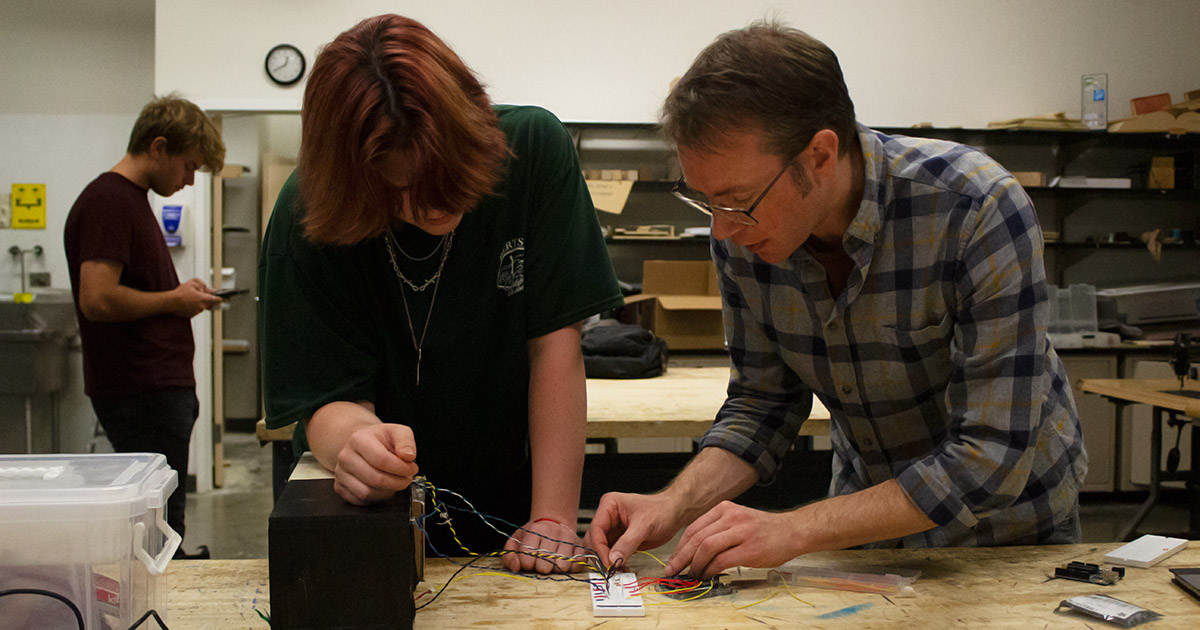
The Katzen Arts Center provides students with fully equipped, state-of-the-art facilities where students can thrive in a flexible program that offers sculpture, painting, video, digital photography, drawing, printmaking, expanded media and special topics courses.
The program includes historical, theoretical, and practical approaches to fine art. Students relate technical developments in various disciplines to aesthetic and conceptual developments, citing movements and trends that also coincided with broader art history. Through a capstone project and exhibition, students delve into a relevant topic and artistic process of their choice and analyze it through a specific socio-cultural lens.
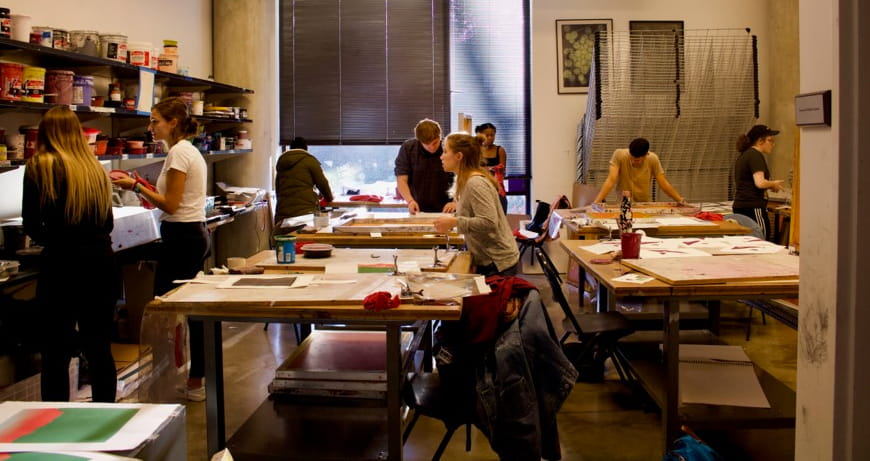 Students in the screenprinting studio.
News & Notes
-
Ten, the undergraduate capstone exhibition, is on view at the Katzen Arts Center April 7–30; reception April 17.
-
Faculty member Molly Springfield has been named a 2025 Guggenheim Fellow in the Fine Arts and will use her award to create new work for her ongoing project, Holograph Draft, inspired by Virginia Woolf's life and work.
-
Faculty member Don Kimes appeared as a guest on the "I Like Your Work" podcast on the episode "Don Kimes: The Language and Power of Art."
-
Faculty member Danielle Mysliwiec received the 2024-2025 Long Meadow Art Residency, which provides studio space and lodgings for awardees in The Berkshires.
-
Faculty member Andy Holtin was the KID Museum’s visiting artist in fall 2023. He created a “Theater of Objects,” a collaborative and interactive exhibit with KID Museum apprentices that was unveiled at KID Museum Bethesda Metro Center.
- Analysis: Students will be able to develop and present foundational analyses of works of art from formal, historical, and cultural perspectives.
- Visual Communication: Students will be able to define and employ vocabulary specific to the field of contemporary art. Foundational vocabulary will be learned during a student’s course of study in a broad selection of two-dimensional, three-dimensional, and four-dimensional disciplines (drawing, painting, printmaking, sculpture, digital photography and digital video). Vocabulary will directly relate to knowledge and skills gained through practice with materials, traditional and technology-based tools, techniques, and creative thought processes.
- Oral and Written Communication: Students will demonstrate an ability to verbally articulate artistic positions and intents, and support these statements with reference to their work and processes.
- Technical Competency in Artistic Media: Students’ works will exhibit sophisticated technical capacity and skilled use of media as appropriate to the student’s artistic intentions.
- Creative Inquiry: Students will demonstrate an ability to define and self-direct areas of artistic exploration, both through preparatory research, selection of media/processes appropriate to their interests and intentions, and the development of self-directed creative works.
- Interdisciplinary Relevance: Students will be able to relate foundational arts knowledge and skills within and across the visual arts disciplines, and to make connections with other disciplines.
- Knowledge of Contemporary and Historical Art: Students will demonstrate a foundational knowledge of the history of art, as well as an awareness of contemporary precedent within their area of focus. At the advanced level, students should be able to place their work in context of current ideas and practitioners.